Here's a breakdown:
* Gravitational Pull: The moon's gravity pulls on the Earth's oceans, creating bulges of water on the side facing the moon and the opposite side of the Earth. These bulges are what we call high tides.
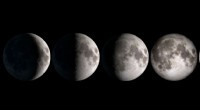
* Moon Phases and Tides: While the moon's gravitational pull is the primary driver of tides, the moon's phases don't directly affect the strength of the tide. They are more related to the *timing* of the tides.
* Spring Tides: During a new moon and a full moon, the sun, Earth, and moon are aligned. This alignment amplifies the sun's gravitational pull on Earth's oceans, resulting in higher high tides and lower low tides, known as spring tides.
* Neap Tides: During the first and third quarter moon phases, the sun, Earth, and moon form a right angle. This arrangement results in weaker tides, as the sun's gravitational pull partially cancels out the moon's pull. These weaker tides are called neap tides.
In summary:
* Moon phases don't directly affect the strength of the tides.
* They influence the timing of tides, resulting in higher tides (spring tides) during new and full moons, and weaker tides (neap tides) during the first and third quarter moon phases.