* Turbulence: The air in our atmosphere is constantly moving, creating pockets of different temperatures and densities. This turbulence acts like a prism, bending and distorting the light from stars.
* Refraction: Light bends as it passes through different mediums (like air). This bending is called refraction, and the amount of bending depends on the density of the medium.
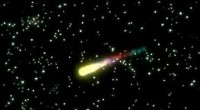
* Color Separation: As starlight passes through turbulent air, it gets refracted in different directions. Different colors of light (like red and blue) are refracted at slightly different angles. This causes the light to appear to shift in color, creating the flickering effect.
Why it's more noticeable with some stars:
* Brightness: Brighter stars emit more light, so the color shifts are more pronounced.
* Distance: Stars that are closer to the horizon appear to flicker more because their light has to travel through more of the Earth's atmosphere.
It's not just red and blue!
While red and blue are the most common colors you might see, other colors can also appear due to the same atmospheric effects.
In summary: The flickering and color changes you see in stars are not actually changes in the stars themselves, but rather an effect of the Earth's atmosphere.