The Process:
1. Core Collapse: The core of a massive star (typically 8-50 times the mass of our Sun) runs out of nuclear fuel. Without the outward pressure from fusion, gravity overwhelms the core, causing it to collapse catastrophically.
2. Neutron Star Formation: As the core collapses, protons and electrons are forced together to form neutrons, creating a dense, ultra-hot neutron star.
3. Shockwave: The core collapse triggers a shockwave that propagates outward through the star's outer layers.
4. Supernova Explosion: The shockwave is powered by the release of a massive amount of energy, causing the star's outer layers to explode violently.
Key Points:
* The outer core doesn't explode independently. The entire star explodes as a single event.
* The energy for the explosion comes from the collapse of the core, not the outer layers. The shockwave generated during the core collapse is what drives the explosion.
* The explosion is not a simple "explosion." It's a complex process involving a combination of factors, including the release of neutrinos, the interaction of the shockwave with the star's outer layers, and the immense gravity of the collapsing core.
Outcomes:
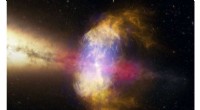
* Supernova Remnant: The explosion creates a rapidly expanding cloud of debris known as a supernova remnant.
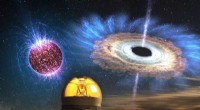
* Neutron Star or Black Hole: The remnant of the core can become a neutron star or, for the most massive stars, a black hole.
In summary, the core collapse is the driving force behind the supernova explosion, not the explosion of the outer core itself.