Stars:
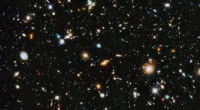
* Vast Distances: Stars are incredibly far away from us. Even the closest star, Proxima Centauri, is about 4.24 light-years away. That's a distance that light, traveling at 186,000 miles per second, takes over 4 years to cross!
* Size: While stars are massive, their vast distance makes them appear tiny to our eyes. Imagine a tiny pinprick of light in the distance – that's essentially what we see when looking at a star.
* Atmospheric Distortion: Our Earth's atmosphere can further distort the light from stars, making them twinkle and appear even smaller.
Moon:
* Relative Proximity: The moon is much closer to Earth than any star. It's only about 238,900 miles away.
* Size: The moon is a large celestial body, with a diameter of about 2,159 miles. This means it's large enough to reflect a significant amount of sunlight back to Earth, making it appear bright and relatively large in our sky.
Fun Fact: The moon doesn't produce its own light; it reflects sunlight. That's why we see different phases of the moon as its position relative to the sun changes.
So, it's all about perspective and distance! The vast distances to the stars make them appear incredibly small, while the moon's proximity and size make it appear much larger.