Planets with Rings:
* Saturn: The most famous ring system, with a complex and beautiful structure.
* Jupiter: Less prominent than Saturn's, but still noticeable rings made mostly of dust.
* Uranus: A system of faint, narrow rings.
* Neptune: A system of fainter rings than Uranus.
Planets without Rings:
* Mercury: No rings.
* Venus: No rings.
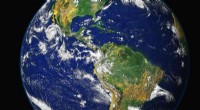
* Earth: No rings.
* Mars: No rings.
Why some planets have rings and others don't:
Rings are thought to be formed from debris, like shattered moons, comets, or asteroids, that get pulled apart by the planet's gravity. The specific conditions for ring formation are complex, but it seems that:
* Large planets: Larger planets have stronger gravity, which helps them hold on to debris.
* Moons: Planets with multiple moons are more likely to have rings, as moons can be disrupted by gravity.
* Close orbits: Planets with moons in close orbits are more likely to have rings, as tidal forces are stronger and can break apart moons.
It's also worth noting that ring systems are dynamic and can change over time. Some might vanish entirely, while others might form new ones.