1. Electromagnetic Waves for Communication:
* Sending and Receiving Signals: Satellites use electromagnetic waves (radio waves, microwaves) to communicate with Earth. They transmit information as signals that travel at the speed of light, reaching Earth stations and vice versa.
* Broadcasting: Television and radio broadcasting satellites use electromagnetic waves to transmit signals to receivers on Earth, providing entertainment and information.
* Navigation: GPS satellites use electromagnetic waves to send signals that allow receivers on Earth to determine their location.
2. Gravitational Waves:
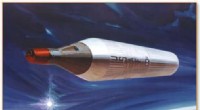
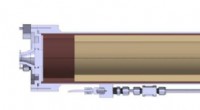
* Detecting Gravitational Waves: Some satellites, like LISA Pathfinder, are designed to study gravitational waves. These waves are ripples in the fabric of spacetime caused by massive objects accelerating. Detecting them helps us understand the universe's structure and evolution.
3. Ocean Waves:
* Monitoring Ocean Waves: Some satellites carry sensors that can measure the height and direction of ocean waves. This information is used to predict storms, track currents, and monitor climate change.
* Oceanography: Satellites provide valuable data for understanding ocean dynamics, including currents, tides, and temperature.
4. Atmosphere and Weather:
* Atmospheric Waves: Satellites help monitor the atmosphere, including the movement of air masses and the formation of clouds. This data is vital for weather forecasting.
* Weather Patterns: Satellites can track hurricanes, cyclones, and other weather phenomena, providing valuable information for disaster preparedness.
In summary, satellites utilize and are influenced by various types of waves:
* Electromagnetic waves for communication, broadcasting, and navigation.
* Gravitational waves for studying the universe.
* Ocean waves for monitoring and understanding the oceans.
* Atmospheric waves for weather forecasting and climate monitoring.
So, while satellites themselves may not "create" waves, they play a crucial role in using, detecting, and analyzing waves for various purposes.