Observational Efforts:
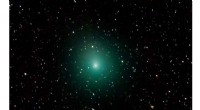
* Increased telescope time: Allocate more telescope time to observe these objects, particularly with advanced instruments capable of capturing high-resolution images and spectroscopic data.
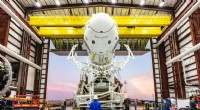
* Space missions: Launch more dedicated missions to comets and asteroids, like the OSIRIS-REx mission to Bennu, to collect samples and conduct in-situ observations.
* Ground-based observatories: Improve existing ground-based observatories with new technologies like adaptive optics and larger mirrors.
* Global network: Foster a global network of observatories that can track these objects continuously and provide comprehensive data.
Research and Development:
* Computational modeling: Develop sophisticated models to simulate the formation, evolution, and behavior of comets, asteroids, and meteors.
* Advanced instruments: Invest in the development of new instruments, like specialized cameras and spectrometers, for detecting and analyzing these objects.
* Artificial intelligence: Utilize AI and machine learning to analyze large datasets of observations, identify patterns, and predict future events.
* Collaboration: Encourage collaboration between scientists from different disciplines, including planetary scientists, astronomers, physicists, and engineers.
Public Engagement:
* Education and outreach: Implement initiatives to educate the public about these objects and their significance, including museum exhibits, online resources, and public talks.
* Citizen science: Engage the public in scientific research by allowing them to contribute data through platforms like Zooniverse.
* Media outreach: Promote scientific discoveries and research through news articles, documentaries, and social media.
Safety and Defense:
* Early detection and warning systems: Improve our ability to detect potentially hazardous asteroids and comets and develop effective warning systems.
* Mitigation strategies: Research and develop technologies for deflecting or altering the course of potentially hazardous objects.
* International collaboration: Foster international cooperation and coordination on asteroid and comet research and defense efforts.
Specific examples of proposed actions:
* Launch a dedicated space telescope to survey near-Earth objects.
* Develop a network of ground-based telescopes with a common data sharing system.
* Fund research on the development of asteroid mining techniques.
* Create a global database of all known comets, asteroids, and meteoroids.
* Establish a permanent international space agency dedicated to the exploration of these objects.
By pursuing these actions, we can unlock a wealth of new knowledge about these fascinating objects and enhance our understanding of the solar system's history and evolution. Additionally, it will help us prepare for potential threats from space and ensure the safety of our planet.