1. Seasons: The Earth's axis is tilted at 23.5 degrees, and this tilt, combined with Earth's revolution around the Sun, causes the seasons. As the Earth orbits the Sun, different hemispheres receive varying amounts of direct sunlight throughout the year.
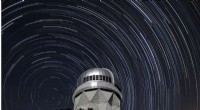
2. Day and Night: The Earth rotates on its axis once every 24 hours. This rotation causes one side of the Earth to face the Sun, resulting in daytime, while the opposite side faces away from the Sun, resulting in nighttime.
3. Year: The Earth takes approximately 365.25 days to complete one full orbit around the Sun. This period defines a year.
4. Eclipses: While not directly caused by rotation, the Earth's rotation plays a role in eclipses. The Earth's rotation allows us to see different parts of the Sun and Moon throughout the day. When the Earth, Moon, and Sun align in a specific way, solar and lunar eclipses occur.
5. Tides: The Sun's gravitational pull also contributes to the tides, though the Moon has a stronger influence. The Earth's rotation interacts with the Sun's gravity, influencing the movement of ocean water and contributing to tidal patterns.
It's important to note that the Earth's rotation on its axis is responsible for day and night, while its revolution around the Sun causes the seasons and the year.