1. Mercury
* Closest to the Sun: A rocky, airless world with extreme temperature swings.
* Small and Dense: The smallest planet and the densest after Earth.
* Cratered Landscape: Covered in craters, indicating a long history of impacts.
* No moons: Mercury has no natural satellites.
2. Venus
* Earth's Twin: Similar in size and density to Earth, often called Earth's "sister planet".
* Runaway Greenhouse Effect: Thick atmosphere traps heat, making it the hottest planet in our solar system.
* Volcanic Surface: Covered in volcanic plains and mountains, with evidence of recent volcanic activity.
* Slow Rotation: Rotates very slowly and in the opposite direction of most planets.
3. Earth
* The Blue Planet: Unique for its abundance of liquid water and a breathable atmosphere.
* Life-Supporting: Home to a diverse array of life, including humans.
* Active Geology: Continents shift, volcanoes erupt, and earthquakes occur.
* Single Moon: Has one natural satellite, the Moon.
4. Mars
* The Red Planet: Known for its rusty red color due to iron oxide on its surface.
* Thin Atmosphere: Has a thin atmosphere, making it cold and dry.
* Evidence of Water: Evidence suggests liquid water once flowed on the surface.
* Two Moons: Has two small moons, Phobos and Deimos.
5. Jupiter
* Gas Giant: The largest planet in our solar system, a giant ball of gas with no solid surface.
* Great Red Spot: A giant storm that has raged for centuries.
* Many Moons: Has at least 79 known moons, including the four largest, known as the Galilean moons.
* Strong Magnetic Field: Has the strongest magnetic field of any planet in our solar system.
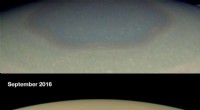
6. Saturn
* Ringed Giant: Famous for its beautiful and complex ring system made of ice and rock.
* Gas Giant: Another gas giant, composed mostly of hydrogen and helium.
* Many Moons: Has at least 82 known moons, including Titan, the largest moon in the solar system.
* Low Density: Saturn is less dense than water, meaning it would float if placed in a large enough bath.
7. Uranus
* Ice Giant: Made mostly of ice and rock, with a thick atmosphere of hydrogen and helium.
* Tilted Axis: Rotated on its side, with its axis tilted at nearly 90 degrees.
* Faint Rings: Has a system of faint rings, less prominent than Saturn's.
* Many Moons: Has at least 27 known moons.
8. Neptune
* Ice Giant: Similar to Uranus, it's also an ice giant, with a blue-colored atmosphere.
* Strong Winds: Has the strongest winds in the solar system, reaching speeds over 1,200 miles per hour.
* Many Moons: Has at least 14 known moons, including Triton, a geologically active moon.
* Farthest from the Sun: The farthest planet from the Sun in our solar system.