Size
* Diameter: 6,779 kilometers (4,212 miles) - about half the size of Earth.
* Surface Area: 144.8 million square kilometers (56 million square miles) - a bit more than the total land area of Earth.
* Volume: 1.63 x 10^11 cubic kilometers (3.9 x 10^10 cubic miles) - about 15% the volume of Earth.
* Mass: 6.417 x 10^23 kilograms (1.416 x 10^24 pounds) - about 10% the mass of Earth.
Distance from the Sun
* Average Distance: 227.9 million kilometers (141.6 million miles)
* Orbital Period: 687 Earth days
Composition
* Atmosphere: Thin, composed primarily of carbon dioxide (95%), nitrogen (2.7%), argon (1.6%), and traces of oxygen, water vapor, and other gases.
* Surface: Predominantly composed of:
* Iron Oxides (Rust): Gives Mars its distinctive reddish color.
* Silica (Silicon Dioxide): Found in sand and rocks.
* Carbonates: Minerals formed from carbon dioxide and other elements.
* Sulfates: Minerals containing sulfur.
* Interior: Likely composed of:
* Core: Iron-nickel core, possibly liquid with a solid inner core.
* Mantle: Made up of silicate rocks.
* Crust: Thin, cracked crust with a variety of rock types.
Key Points
* Smaller and less massive than Earth: Mars is significantly smaller and lighter than Earth.
* Cold and Dry: Its thin atmosphere and distance from the Sun make it very cold, with average temperatures around -62 degrees Celsius (-79 degrees Fahrenheit).
* Potential for Past Water: Evidence suggests Mars once had liquid water on its surface, but it's now mostly frozen beneath the surface or locked in the polar ice caps.
Exploration:
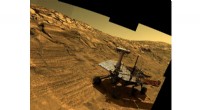
* Mars is a prime target for scientific exploration and has been visited by numerous spacecraft from various countries. The search for evidence of past life and the potential for future human exploration is a major focus of these missions.