1. Absorption and Scattering of Light:
* Atmospheric Extinction: The atmosphere absorbs and scatters light, causing a reduction in the intensity of light reaching ground-based telescopes. This effect is more pronounced at shorter wavelengths (like ultraviolet and blue light).
* Scattering by Air Molecules: The atmosphere's molecules (nitrogen, oxygen, etc.) scatter light, especially blue light, creating the blue sky. This scattering makes it difficult to observe faint objects and can introduce unwanted "skyglow."
* Absorption by Atmospheric Gases: Various gases in the atmosphere, such as ozone, water vapor, and carbon dioxide, absorb specific wavelengths of light. This absorption can completely block certain wavelengths, preventing observations in those bands.
2. Atmospheric Turbulence:
* Seeing: The uneven heating and cooling of the air causes turbulence, which distorts the images observed through telescopes. This effect, known as "seeing," blurs the images and limits the resolving power of telescopes.
3. Weather Conditions:
* Clouds and Precipitation: Clouds and precipitation block all visible light, making astronomical observations impossible.
* Wind and Humidity: Wind can shake telescopes, blurring images and making it difficult to point them accurately. High humidity can reduce the transparency of the atmosphere, making observations less effective.
4. Light Pollution:
* Artificial Light: Artificial light sources, such as streetlights and buildings, can create a bright background sky, masking faint astronomical objects.
5. Ionosphere:
* Radio Waves: The ionosphere, a layer of the upper atmosphere, can reflect and absorb radio waves, making it difficult to observe certain radio wavelengths.
To overcome these limitations, astronomers use various techniques:
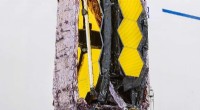
* Space Telescopes: Placing telescopes above the atmosphere, in space, eliminates the effects of atmospheric absorption, scattering, and turbulence.
* Adaptive Optics: Using deformable mirrors to correct for atmospheric turbulence in real-time.
* Observatories at High Altitudes: Placing observatories at high altitudes, where the atmosphere is thinner, reduces the impact of atmospheric extinction and turbulence.
* Specialized Telescopes: Using telescopes designed to observe specific wavelengths of light, such as radio telescopes or infrared telescopes, which are less affected by atmospheric absorption.
While the atmosphere presents challenges for astronomical observations, these techniques allow us to overcome them and gain valuable insights into the universe.