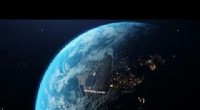
1. Light Bending: When starlight enters Earth's atmosphere, it doesn't travel in a straight line. Instead, it gets bent or refracted by the different layers of air, which have varying temperatures and densities.
2. Air Movements: These layers of air are constantly in motion, creating pockets of warmer and cooler air. As starlight passes through these shifting pockets, its path is constantly changing.
3. Distorted Light: This constant bending and shifting of the starlight causes the light reaching our eyes to be distorted. The light appears to flicker and change brightness, creating the twinkling effect.
Why planets don't twinkle:
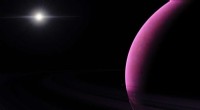
Planets, unlike stars, are much closer to Earth. This means the light from planets is less affected by atmospheric turbulence. The light from a planet is spread out over a larger area, so the effect of the bending and shifting is less noticeable.
In summary: The twinkling of stars is a result of the interaction of starlight with the turbulent layers of Earth's atmosphere. This creates a constantly changing path for the light, making it appear to flicker and change brightness.