Pros:
* Affordable: 70mm telescopes are generally more affordable than larger telescopes, making them accessible to beginners.
* Portable: Their smaller size makes them easy to transport for observing from different locations.
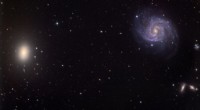
* Good for bright objects: They can provide clear views of the Moon, planets like Jupiter and Saturn, and brighter deep-sky objects like the Andromeda Galaxy.
* Beginner-friendly: They're easy to set up and use, making them ideal for learning the basics of astronomy.
Cons:
* Limited light gathering: A 70mm aperture is relatively small, meaning it gathers less light than larger telescopes. This limits the faintness of objects you can see, particularly deep-sky objects like nebulae and galaxies.
* Lower magnification: You won't be able to achieve very high magnifications with a 70mm telescope. This means you won't be able to see as much detail on planets or other celestial objects.
* Less detail on fainter objects: You'll be able to see some deep-sky objects, but they might appear as blurry or faint.
Overall:
A 70mm telescope is a good starting point for anyone interested in astronomy. It will allow you to observe the Moon, planets, and some brighter deep-sky objects. However, if you're looking to observe fainter deep-sky objects or want to see more detail on planets, a larger telescope with a bigger aperture would be a better choice.
Consider:
* Your budget: 70mm telescopes are generally more affordable than larger telescopes.
* Your interests: If you're primarily interested in observing the Moon and planets, a 70mm telescope will suffice. If you want to observe fainter deep-sky objects, you'll need a larger telescope.
* Your portability needs: 70mm telescopes are very portable, making them ideal for observing from different locations.
Ultimately, the best telescope for you will depend on your individual needs and preferences. If you're unsure, it's always a good idea to talk to an experienced astronomer or visit a local astronomy club to get advice.