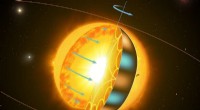
1. Provides Energy: The Sun is the ultimate source of energy for our planet. It fuels:
* Photosynthesis: Plants use sunlight to convert carbon dioxide and water into sugars, providing food for themselves and the entire food chain.
* Climate: The Sun's energy warms the Earth, creating a habitable temperature range.
* Weather: The Sun's energy drives the Earth's weather patterns, including wind and rain.
2. Supports Life: Without the Sun's energy, life on Earth as we know it wouldn't exist.
* Provides Light: The Sun's light allows for vision and helps regulate biological rhythms.
* Vitamin D: Sunlight helps our bodies produce vitamin D, which is essential for bone health and immune function.
3. Influences Earth's Systems:
* Ocean Currents: The Sun's energy drives ocean currents, which distribute heat around the globe.
* Water Cycle: The Sun's heat evaporates water, driving the water cycle and providing precipitation.
4. Beyond Earth:
* Solar System: The Sun's gravitational pull keeps the planets in their orbits.
* Other Stars: The Sun is just one star in the Milky Way galaxy. Studying the Sun helps us understand the processes of other stars.
In summary, the Sun is the lifeblood of our planet, providing the energy and conditions necessary for life to thrive.