1. Giant-Impact Hypothesis (Most Widely Accepted)
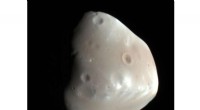
* The Theory: This is the most popular and widely accepted theory. It proposes that a Mars-sized object, called Theia, collided with the early Earth. The impact ejected a massive amount of debris into orbit, which eventually coalesced to form the Moon.
* Supporting Evidence:
* Lunar Composition: The Moon's composition is similar to Earth's mantle, suggesting that it originated from Earth material.
* Lunar Orbit: The Moon's orbit is tilted and slightly eccentric, which could be explained by the impact.
* Isotopic Analysis: Studies of lunar and Earth rocks show striking similarities in their isotopic compositions, supporting the idea of a shared origin.
2. Capture Hypothesis
* The Theory: This theory suggests that the Moon formed independently elsewhere in the solar system and was later captured by Earth's gravity.
* Arguments Against:
* Low Probability: The chances of capturing a body the size of the Moon are incredibly low.
* Angular Momentum: The Moon's angular momentum is too high for a capture scenario to be plausible.
3. Fission Hypothesis
* The Theory: This theory proposes that the Moon was once part of Earth and spun off due to Earth's rapid rotation.
* Arguments Against:
* Angular Momentum: The Moon's angular momentum is too large to have originated from Earth alone.
* Lack of Evidence: There's no geological evidence to support this theory.
4. Co-accretion Hypothesis
* The Theory: This theory suggests that the Moon and Earth formed together from the same cloud of gas and dust.
* Arguments Against:
* Compositional Differences: The Moon and Earth have significant differences in their composition, which are difficult to explain under this theory.
* Orbital Characteristics: The Moon's orbit doesn't fit well with the co-accretion scenario.
Current Research and Future Prospects
Scientists continue to refine these theories and investigate new possibilities. The Giant-Impact Hypothesis remains the leading contender, but ongoing research may shed more light on the Moon's origin.