* The side of the moon facing the sun is always illuminated: This is true. The sun's light shines on the moon, illuminating the side facing it.
* The illuminated side does not always face Earth: This is also true. The moon rotates on its axis at the same rate that it orbits the Earth. This synchronized rotation is why we always see the same side of the moon.
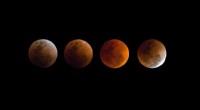
* Different phases are caused by 28-day: This is partially correct. The lunar cycle, which dictates the moon's phases, is about 29.5 days long. The moon's phases are caused by the changing angle at which we see the sunlit portion of the moon as it orbits the Earth.
Here's a clearer explanation of lunar phases:
1. New Moon: The moon is between the Earth and the sun, so its sunlit side is facing away from us, making it appear dark.
2. Waxing Crescent: A sliver of the moon becomes visible as it moves away from the sun.
3. First Quarter: Half of the moon's surface is illuminated and visible.
4. Waxing Gibbous: More than half of the moon's surface is illuminated.
5. Full Moon: The moon is opposite the sun in the sky, so the entire sunlit side faces Earth.
6. Waning Gibbous: The illuminated portion of the moon starts to shrink.
7. Last Quarter: Again, half of the moon's surface is illuminated, but the opposite half from the First Quarter.
8. Waning Crescent: The illuminated portion of the moon continues to shrink until it's a thin sliver.
The moon's cycle is not exactly 28 days, but approximately 29.5 days. This slight difference is why the lunar calendar has to be adjusted occasionally.