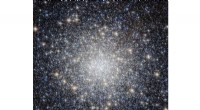
Stars
* Energy source: Stars produce their own light and heat through nuclear fusion. Hydrogen atoms combine to form helium, releasing tremendous amounts of energy.
* Composition: Primarily made of hydrogen and helium.
* Self-luminous: Stars shine because of their internal energy production.
* Gravity: Stars have incredibly strong gravity, which keeps them together and allows for fusion to occur.
* Shape: Generally spherical due to their internal pressure and gravity.
* Example: Our Sun
Planets
* Energy source: Planets do not produce their own light or heat. They reflect light from a star.
* Composition: Varying, but typically composed of rock, gas, or ice.
* Orbit: Planets orbit a star.
* Gravity: Planets have gravity, but it's much weaker than a star's gravity.
* Shape: Planets can be spherical or irregular, depending on their size and composition.
* Example: Earth, Mars, Jupiter
In a nutshell:
* Stars are like giant, glowing furnaces in space. They create their own energy and light.
* Planets are like smaller, colder objects that orbit stars. They reflect light from the star they orbit.
It's helpful to remember: Stars shine, planets don't.