Exploration and Science:
* Rovers: Curiosity, Perseverance (Mars), Sojourner (Mars), Spirit and Opportunity (Mars)
* Orbiters: Hubble Space Telescope, Chandra X-ray Observatory, Spitzer Space Telescope, James Webb Space Telescope, Juno (Jupiter), Cassini (Saturn), Lunar Reconnaissance Orbiter
* Landers: Viking 1 & 2 (Mars), Surveyor (Moon), InSight (Mars), Philae (Comet 67P/Churyumov-Gerasimenko)
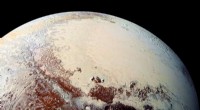
* Probes: Voyager 1 & 2 (Interstellar space), New Horizons (Pluto), Parker Solar Probe (Sun), MESSENGER (Mercury)
* Space Stations: International Space Station, Skylab
Human Spaceflight:
* Space Shuttles: Columbia, Challenger, Discovery, Atlantis, Endeavour
* Apollo program: Apollo 11-17 (Moon landings)
* Mercury program: Mercury-Redstone, Mercury-Atlas (early human spaceflights)
* Gemini program: Gemini missions (testing for Apollo)
Other Missions:
* Satellites: Earth observation, communication, navigation (GPS), weather forecasting
* Spacecraft for testing and technology demonstration
Current Missions:
* Artemis program: Focused on returning humans to the Moon and establishing a sustainable presence there.
* Mars exploration: Perseverance rover, Ingenuity helicopter, future missions planned.
* Observing the Universe: James Webb Space Telescope, Hubble Space Telescope, other telescopes and missions.
This list barely scratches the surface. NASA has a rich history of space exploration and continues to push the boundaries of human knowledge. You can find more information on their website: https://www.nasa.gov/
To learn more about specific missions, you can use NASA's website to search by mission name, spacecraft name, or area of interest.