* No atmosphere: The moon has no atmosphere to speak of, which means there is no weather, no wind, and no erosion to wear down the craters. They remain largely untouched since their formation, preserving their shape for billions of years.
* No active geology: Unlike Earth, the moon has very little geological activity. There are no volcanoes or earthquakes to reshape the surface. This means the craters are relatively undisturbed, keeping their distinct features visible.
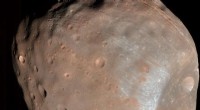
* Contrast: The moon's surface is mostly a dark, gray color. The craters, often formed by impacts of brighter materials, stand out in sharp contrast, making them easily visible.
* Distance: While it may seem like the moon is close, it's actually quite far away. This distance allows us to see the moon as a whole, revealing the craters in their entirety without any distortion from perspective.
* Sunlight: The sun illuminates the moon directly, casting long shadows that accentuate the craters' depth and make them even more prominent.
All these factors contribute to the moon's cratered landscape being so clearly visible from Earth.