1. Energy and Heat:
* The Sun is the ultimate source of energy for life on Earth. It provides the light and heat necessary for photosynthesis, the process by which plants convert sunlight into energy. This energy fuels the entire food chain, supporting all living organisms.
* It regulates Earth's climate. Without the Sun's heat, our planet would be a frozen wasteland.
2. Weather and Climate:
* The Sun drives the weather patterns on Earth. Uneven heating of the Earth's surface by the Sun creates wind and ocean currents, which in turn drive weather systems.
* The Sun's energy influences long-term climate patterns. Changes in the Sun's output can affect the Earth's overall temperature and climate over time.
3. Essential for Life:
* The Sun provides the energy for life to exist. Without the Sun, there would be no photosynthesis, no food production, and no life as we know it.
* The Sun's ultraviolet radiation plays a role in vitamin D production in humans.
4. Other Impacts:
* The Sun's gravitational pull holds Earth in its orbit. This stable orbit provides a consistent environment for life to thrive.
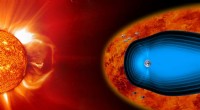
* The Sun's solar flares and coronal mass ejections can impact our technology. These events can disrupt communication satellites and power grids.
In summary: The Sun is the most important celestial object for life on Earth. It provides the energy, heat, and stability necessary for life to exist and thrive.