1. Energy and Temperature:
* Solar Radiation: The sun is the primary source of energy for Earth. It emits a wide spectrum of electromagnetic radiation, including visible light, infrared radiation (heat), and ultraviolet (UV) radiation.
* Heating the Atmosphere: The sun's radiation warms Earth's surface, which in turn heats the lower atmosphere through conduction and convection. This energy drives weather patterns, creates temperature differences, and influences the global climate.
* Temperature Gradients: The sun's energy is not evenly distributed on Earth's surface. The equator receives more direct sunlight than the poles, creating temperature gradients that drive air circulation and wind patterns.
2. Atmospheric Composition:
* Photodissociation: The sun's UV radiation breaks apart molecules in the upper atmosphere, like ozone (O3). This process is essential for the formation of the ozone layer, which shields us from harmful UV radiation.
* Chemical Reactions: Solar radiation drives chemical reactions in the atmosphere, affecting the concentrations of greenhouse gases like carbon dioxide (CO2) and methane (CH4).
* Ionization: UV radiation ionizes atoms and molecules in the upper atmosphere, creating layers like the ionosphere, which is crucial for long-distance radio communication.
3. Weather and Climate:
* Global Circulation: The uneven heating of Earth's surface creates large-scale air circulation patterns, like the Hadley cells and jet streams, which transport heat and moisture around the globe, influencing weather and climate.
* Storms: Solar energy fuels the formation and intensification of storms, such as hurricanes and thunderstorms.
* Climate Change: Variations in the sun's output, known as solar cycles, can influence Earth's climate over long periods. However, current climate change is primarily attributed to human activities, primarily the release of greenhouse gases.
4. Other Effects:
* Aurora Borealis/Australis: Charged particles from the sun interact with the Earth's magnetic field, creating spectacular displays of light in the polar regions.
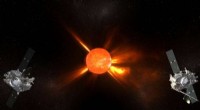
* Space Weather: Solar flares and coronal mass ejections (CMEs) can disrupt radio communications, damage satellites, and pose risks to astronauts.
In summary, the sun is the ultimate driver of Earth's atmosphere and the conditions that make life possible on our planet. Its energy warms the planet, drives weather and climate, and shapes the very composition of our air.