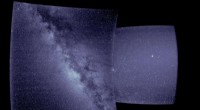
* Astronomical Twilight: This is the period of time when the sun is between 18 degrees below the horizon and 12 degrees below the horizon. It's the darkest period of twilight, and when most stars become visible.
* Summer Solstice: This is the day with the longest period of daylight in the Northern Hemisphere, occurring around June 21st.
* 51 Degrees North: This latitude is roughly that of London, England.
Here's the breakdown:
* At 51 degrees north, the sun does NOT set below 18 degrees on the summer solstice. This means that astronomical twilight never truly ends on that day.
* However, the days leading up to and after the summer solstice will have periods where the sun does dip below 18 degrees. This means that astronomical twilight will end during those days.
In conclusion: While astronomical twilight doesn't end on the actual summer solstice at 51 degrees north, it does end on dates near the summer solstice. The exact dates would depend on the specific year and the local time zone.