* Meteorites: Some meteorites are thought to be remnants of the very early solar system, dating back to the first few million years. These include carbonaceous chondrites, which contain primitive materials like water ice and organic molecules. The Murchison meteorite, for example, is incredibly old and contains pre-solar grains – material older than the sun itself!
* Stardust grains: Found within meteorites, these tiny particles predate the formation of our solar system and were created in other stars. The presolar grains are some of the oldest known material in existence, dating back billions of years.
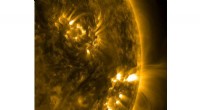
* The Sun: The Sun is technically the oldest object in our solar system, having formed about 4.6 billion years ago. However, it's constantly changing and evolving, so it's not a "static" object in the same way as meteorites or stardust grains.
Ultimately, determining the absolute oldest object is a complex scientific challenge. However, the study of meteorites and presolar grains provides us with invaluable insights into the early history of our solar system and the universe as a whole.