Space Science:
* Astrophysicists: Study the physical properties and evolution of celestial objects like stars, galaxies, and black holes.
* Planetary Scientists: Investigate the formation, geology, atmosphere, and potential for life on planets and other celestial bodies in our solar system.
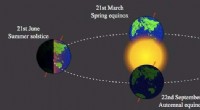
* Heliophysicists: Study the Sun and its influence on Earth and the solar system.
* Cosmology: Explore the origins and evolution of the universe.
* Exoplanet Scientists: Search for and study planets outside our solar system.
Earth Science:
* Geologists: Study Earth's composition, structure, and history.
* Oceanographers: Research the oceans and their impact on the planet.
* Atmospheric Scientists: Study the Earth's atmosphere, including weather, climate, and pollution.
* Climate Scientists: Analyze global climate trends and their impacts.
Engineering:
* Aerospace Engineers: Design and develop spacecraft, rockets, and other space-related systems.
* Mechanical Engineers: Focus on the mechanical aspects of spacecraft and related technology.
* Electrical Engineers: Work on electrical systems for spacecraft, ground stations, and other systems.
* Software Engineers: Develop software for spacecraft, data analysis, and other NASA operations.
Other Fields:
* Physicists: Conduct fundamental research in various areas of physics.
* Chemists: Study the chemistry of space, materials, and life.
* Biologists: Research life in extreme environments, the search for extraterrestrial life, and the effects of space travel on living organisms.
* Mathematicians: Develop mathematical models and theories to solve problems in space science, engineering, and other fields.
* Computer Scientists: Develop advanced computing techniques and algorithms for data analysis, modeling, and other NASA missions.
It's important to remember: This is just a snapshot of the many scientific disciplines represented at NASA. The work of these scientists is highly collaborative, and they often work together across disciplines to achieve their goals.