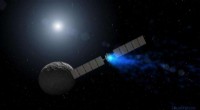
1. Solar Wind: The process starts with the Sun. It constantly emits a stream of charged particles called solar wind.
2. Earth's Magnetic Field: Earth has a magnetic field that acts as a shield against the solar wind. Most of the particles are deflected, but some get trapped in the field lines.
3. Atmosphere: The trapped particles travel towards the Earth's poles along the magnetic field lines. As they enter the atmosphere, they collide with atoms and molecules in the air.
4. Energy Transfer: The collisions excite the atoms and molecules, causing them to gain energy.
5. Light Emission: When these excited atoms and molecules return to their normal state, they release the extra energy in the form of light. The color of the light depends on the type of atom or molecule involved.
6. Dancing Lights: The aurora's shape and movement are influenced by the magnetic field lines and the varying intensity of the solar wind. This creates the mesmerizing dancing patterns we see.
Here's a breakdown of the colors:
* Green: The most common color, caused by oxygen atoms at altitudes of 60-150 miles.
* Red: Higher altitudes (150 miles and up) where oxygen is less dense.
* Blue and Violet: Caused by nitrogen molecules, usually at lower altitudes (60 miles and below).
To sum it up: Auroras are a beautiful consequence of the interaction between the Sun's charged particles, Earth's magnetic field, and the atmosphere. They're a reminder of the dynamic and interconnected nature of our solar system!