Terrestrial Planets
* Mercury: The smallest and closest to the Sun. It's rocky and has a very thin atmosphere.
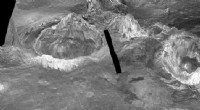
* Venus: Similar in size to Earth but with a thick, toxic atmosphere that traps heat, making it incredibly hot.
* Earth: Our home, a rocky planet with a diverse surface and a breathable atmosphere.
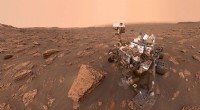
* Mars: Known as the "Red Planet," Mars is a rocky, cold world with a thin atmosphere.
Gas Giants
* Jupiter: The largest planet in our solar system, a gas giant composed mostly of hydrogen and helium. It has a powerful magnetic field and many moons.
* Saturn: Famous for its spectacular ring system, Saturn is another gas giant composed mainly of hydrogen and helium.
* Uranus: An ice giant, meaning it's composed mainly of heavier elements like water, methane, and ammonia, with a thick atmosphere. It's tilted on its side.
* Neptune: The furthest planet from the Sun, Neptune is also an ice giant with a very cold atmosphere. It has strong winds and a powerful magnetic field.