1. Radiometric Dating:
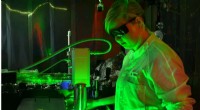
* Lunar Rocks: Scientists analyze the decay of radioactive isotopes within lunar rocks. Isotopes like uranium, thorium, and potassium decay at a known rate, transforming into other elements like lead.
* Half-Life: By measuring the ratio of the parent isotope (original element) to the daughter isotope (decay product), scientists can calculate how long the decay has been occurring, revealing the age of the rock.
* Consistency: Different types of radiometric dating methods (e.g., uranium-lead, potassium-argon) applied to various lunar samples consistently point to an age of about 4.51 billion years old.
2. Comparison to Other Solar System Objects:
* Meteorites: The oldest meteorites found on Earth also date back to roughly 4.56 billion years. Since these are remnants of the early solar system, it suggests that the Moon formed around the same time.
* Other Planets: The ages of other terrestrial planets (Mercury, Venus, Mars) are also estimated to be around 4.5 billion years old, supporting the theory of a similar formation timeline for the Moon.
3. Modeling and Theories:
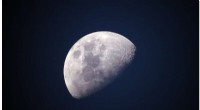
* Giant Impact Hypothesis: The prevailing theory of the Moon's formation posits a collision between a Mars-sized object and the early Earth, ejecting debris that coalesced into the Moon. This model fits the observed age of the Moon and its composition.
Key Points:
* Not a Precise Date: The age of the Moon is an estimate, with a margin of error. Different dating methods and assumptions might lead to slightly different ages.
* Continuous Research: Scientists are constantly refining their understanding of the Moon's formation and age through new data and advancements in dating techniques.
In conclusion, the combination of radiometric dating, comparative analysis with other solar system objects, and theoretical models strongly suggests that the Moon is approximately 4.51 billion years old, nearly as old as Earth itself.