Here's why:
* Lunar Eclipse: A lunar eclipse happens when the Earth is positioned directly between the Sun and the Moon. This blocks sunlight from reaching the moon, causing it to appear dark.
* Earth's Shadow: The Earth's shadow is divided into two parts:
* Umbra: The darkest part of the shadow where sunlight is completely blocked.
* Penumbra: A lighter, outer part of the shadow where sunlight is partially blocked.
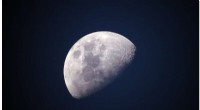
The moon is not always visible due to Earth's shadow, but only during a lunar eclipse.
Other reasons the moon might not be visible include:
* Daytime: The moon is often present during the day, but the bright sunlight makes it hard to see.
* Clouds: Cloudy weather can obscure the moon.
* New Moon Phase: During the new moon phase, the moon is positioned between the Earth and the Sun, making it invisible from Earth.