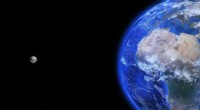
The Moon:
* Nighttime: The moon is most visible at night, especially when it's full.
* Look for a bright, white, round object: The moon is a large, luminous object in the sky. It's easy to spot!
Planets:
* Choose a clear night: Light pollution from cities can make it harder to see planets.
* Use a star chart or app: There are many resources available online and in app stores that show you the positions of planets in the sky.
* Look for a steady, bright light: Planets don't twinkle like stars. They appear as steady points of light.
* Identify them by position: The planets move across the sky, so you can use their position relative to the stars to figure out which planet you're looking at.
Planets you can see with the naked eye:
* Venus: The brightest planet, often called the "Evening Star" or "Morning Star."
* Mars: Known for its reddish hue.
* Jupiter: A large, bright planet that's easy to spot.
* Saturn: Known for its distinctive rings, though you might need good eyesight or binoculars to see them.
Tips for better viewing:
* Find a dark location: Away from city lights.
* Let your eyes adjust: Give your eyes at least 30 minutes to adapt to the darkness.
* Use binoculars or a telescope: This can help you see more detail on the planets.
Have fun exploring the night sky!