* Both are primarily composed of hydrogen and helium. The Sun is mostly hydrogen, with helium making up the rest. The Earth's core is also largely composed of iron and nickel, but its outer layers contain elements like oxygen, silicon, and aluminum, many of which are formed by the fusion of hydrogen and helium. So, in a way, the Earth's elements were "born" in the Sun.
* Both have magnetic fields. The Sun's magnetic field is incredibly powerful and drives solar flares and coronal mass ejections. Earth's magnetic field is weaker, but still crucial for protecting us from harmful solar radiation.
* Both are dynamic and constantly changing. The Sun is constantly undergoing nuclear fusion, generating energy and light. Earth's surface is constantly reshaped by geological processes like plate tectonics and erosion.
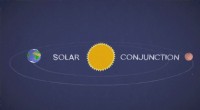
* Both are part of a system. The Sun is the center of our solar system, while Earth orbits around it. This dynamic relationship between the Sun and Earth creates the conditions necessary for life to exist on our planet.
It's important to note that these similarities are primarily based on their fundamental composition and dynamic nature. However, the differences between the Sun and Earth are far more significant, making them two very distinct celestial bodies.