Mercury: Named after the Roman messenger god, Mercury, known for his speed and agility. This is fitting for the planet closest to the sun, which orbits quickly.
Venus: Named after the Roman goddess of love and beauty, Venus, reflecting its bright appearance in the sky.
Earth: The name "Earth" comes from Old English and Germanic words meaning "ground" or "soil." It's the only planet named not after a god or mythological figure.
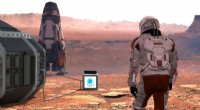
Mars: Named after the Roman god of war, Mars, because of its reddish appearance, associated with blood and fire.
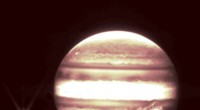
Jupiter: Named after the king of the Roman gods, Jupiter, reflecting its immense size and prominence in the sky.
Saturn: Named after the Roman god of agriculture and harvest, Saturn, possibly due to its rings, which resemble a crown or sickle.
Uranus: Named after the Greek god of the sky, Uranus, by its discoverer William Herschel.
Neptune: Named after the Roman god of the sea, Neptune, due to its blue color, reminiscent of the ocean.
Pluto: Originally named after the Roman god of the underworld, Pluto, due to its perceived coldness and dimness. It was later reclassified as a dwarf planet.
Interesting Notes:
* Ancient Greek and Roman mythology: Many planetary names are rooted in Roman mythology, but they often draw from equivalent figures in Greek mythology. For example, Venus is equivalent to the Greek goddess Aphrodite.
* Discoveries and naming conventions: Planets discovered before the telescope were named based on their brightness and apparent movement in the sky. The naming convention changed with the discovery of Uranus and Neptune, where discoverers had more control over the naming process.
* Pluto's demotion: Pluto's reclassification in 2006 led to debates about whether its name should be changed. However, it continues to be called Pluto despite its new status.
The names of the planets reflect the human fascination with the sky and our desire to understand and connect with the universe. They carry historical and cultural significance, reminding us of our long journey of exploration and discovery.