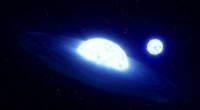
* Stars have different lifespans: Some stars are much bigger and hotter than our sun, meaning they burn through their fuel much faster. These stars may only live for a few million years, while smaller, cooler stars can live for trillions of years.
* The universe is vast: There are billions of stars in our galaxy alone, and there are billions of galaxies in the observable universe. This means there are stars that are older, younger, and the same age as our sun.
* Our sun is middle-aged: The sun is about 4.6 billion years old. It's estimated to live for another 5 billion years, meaning it's in its middle age. So, some stars formed much earlier than the sun, while others formed more recently.
In short: Some stars are older than the sun, some are younger, and some are the same age. It all depends on the star's size, mass, and when it formed.