1. Choosing the Right Telescope:
* Reflectors: Affordable and good for wide-field views (e.g., Milky Way).
* Refractors: Sharper images, ideal for planets and brighter objects.
* Catadioptric: Combines features of both, compact and good for both planets and deep-sky objects.
* Aperture: The larger the lens or mirror, the more light it gathers, revealing fainter stars. Start with a 6-inch aperture for good results.
2. Setting Up Your Telescope:
* Location: Choose a dark site, away from city lights.
* Tripod: A sturdy tripod is essential for stability.
* Alignment: Follow the instructions for your telescope to align it with Polaris (the North Star).
* Focusing: Use the focus knob to bring celestial objects into sharp focus.
3. Finding Stars:
* Star Charts: Familiarize yourself with star charts or apps like Stellarium, which show you what's visible in your location.
* Finderscope: A smaller telescope attached to your main telescope, used to locate objects in the sky.
* Go-To Mounts: These automatically point your telescope to specific objects, especially useful for beginners.
4. Observing Stars:
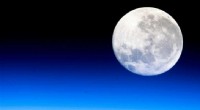
* Start with the Moon: A great beginner object, providing detailed views of craters, mountains, and seas.
* Planets: Try Venus, Mars, Jupiter (with its moons), and Saturn (with its rings).
* Star Clusters: Groups of stars that appear as fuzzy patches of light.
* Galaxies: Distant islands of stars, such as the Andromeda Galaxy.
* Nebulas: Clouds of gas and dust where stars are born.
5. Tips for Clearer Views:
* Dark Adaptation: Allow your eyes to adjust to darkness for at least 30 minutes before observing.
* Use Low Power: Start with a low magnification to find objects, then increase as needed.
* Avoid Light Pollution: Dim or turn off nearby lights to enhance contrast.
* Practice and Patience: Learn the constellations, star-hopping techniques, and use different eyepieces to find the optimal magnification for each object.
Resources:
* Local Astronomy Clubs: Join a club to learn from experienced astronomers.
* Online Resources: Websites like Sky & Telescope, Astronomy Magazine, and NASA provide valuable information.
Remember, observing the night sky is a journey of discovery. Enjoy the process, be patient, and never stop exploring the wonders of the universe!