Here's a breakdown:
* Small meteorites: These create tiny, often barely visible craters called micrometeoroid craters. They are so numerous that they give the lunar surface a rough, pitted appearance.
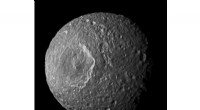
* Larger meteorites: These create more prominent craters, ranging from a few meters to kilometers in diameter. These craters often have a raised rim and a central peak, formed by the rebound of the lunar surface after the impact.
The absence of an atmosphere on the Moon means there is no air resistance to slow down incoming meteorites. This results in a higher impact velocity and creates larger craters compared to those on Earth. The craters remain relatively unchanged over time due to the lack of weathering and erosion processes.
So, the next time you see a picture of the Moon, remember those countless impact craters are a testament to the constant bombardment the Moon receives from space!