Planets:
* Inner Planets (Terrestrial):
* Mercury: Smallest and fastest planet, rocky and heavily cratered.
* Venus: Hottest planet, thick atmosphere with high pressure, rotates backwards.
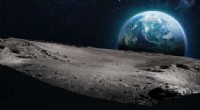
* Earth: Our home planet, with liquid water and a diverse biosphere.
* Mars: The "Red Planet," with evidence of past liquid water and a thin atmosphere.
* Outer Planets (Gas Giants):
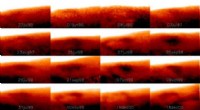
* Jupiter: Largest planet in our solar system, with a massive atmosphere and many moons.
* Saturn: Known for its prominent ring system, a gas giant with numerous moons.
* Uranus: Tilted on its side, with a bluish-green atmosphere and many moons.
* Neptune: Farthest planet from the Sun, with a blue atmosphere and strong winds.
Dwarf Planets:
* Pluto: Once considered the ninth planet, now classified as a dwarf planet.
* Eris: Slightly larger than Pluto, located in the Kuiper Belt.
* Ceres: Largest object in the asteroid belt, located between Mars and Jupiter.
* Makemake: A dwarf planet in the Kuiper Belt.
* Haumea: An elongated dwarf planet in the Kuiper Belt.
Other Bodies:
* Asteroids: Rocky bodies, most found in the asteroid belt between Mars and Jupiter.
* Comets: Icy bodies that orbit the Sun in highly elliptical paths, often leaving trails of dust and gas.
* Moons: Natural satellites that orbit planets and dwarf planets. Some are large and diverse, like Jupiter's moon Ganymede, while others are small and rocky.
Important Note: There's a lot more to discover about our solar system! Astronomers are constantly finding new asteroids, comets, and even dwarf planets.