Factors Affecting Planetary Viewing:
* Magnification: This is how much larger the planet appears. More magnification is needed to see detail, but too much can result in a blurry image.
* Aperture: This is the diameter of the telescope's main mirror or lens (measured in mm). A larger aperture gathers more light, making the image brighter and revealing more detail.
* Seeing Conditions: Air turbulence, light pollution, and even your personal eyesight will affect how sharp the image appears.
Recommended Telescope Sizes for Planetary Viewing:
* Beginner Level (60-100mm): Planets like Jupiter, Saturn, and Mars will be visible as distinct disks. You'll see some surface features on Jupiter and Saturn's rings, but more detail will be challenging.
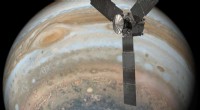
* Intermediate Level (100-150mm): With good seeing, you can start to see more detail on the planets, including the Great Red Spot on Jupiter, cloud bands on Saturn, and sometimes the polar caps of Mars.
* Advanced Level (150mm and Up): These telescopes offer the best views for planet observation, revealing intricate details like surface features on Mars, subtle cloud bands on Jupiter, and finer structures in Saturn's rings.
Additional Considerations:
* Budget: Larger telescopes are more expensive.
* Portability: If you want to take your telescope out often, a smaller, lighter model is more practical.
* Mount Type: A sturdy mount is essential for stable viewing, especially at higher magnifications.
Key Recommendation:
For a good balance of performance and affordability, a 4-6 inch (100-150mm) telescope is a great starting point for planetary observing. This size will provide decent magnification and light gathering for good views of Jupiter, Saturn, and Mars.
Remember:
* Start with the basics: Learn about your telescope's features and how to use them effectively.
* Join a club: Astronomy clubs offer resources, advice, and observing sessions.
* Be patient: Learning to observe planets takes time and practice.
Happy stargazing!