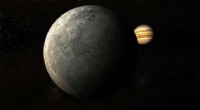
* The size of Mars in the sky: Mars' apparent size varies greatly depending on its distance from Earth. At its closest, it might appear larger than Jupiter, while at its farthest, it's barely visible to the naked eye.
* Seeing conditions: Atmospheric turbulence (seeing) can blur the image of Mars, even at high magnifications. Good seeing allows for higher magnifications, while poor seeing requires lower magnification.
* Telescope aperture: Larger telescope apertures gather more light, allowing for higher magnifications before the image becomes too dim.
* Personal preference: What one person considers "clear" might be too blurry for another.
Here's a general guide:
* Beginner telescopes: A 60mm refractor with 15x-20x magnification might show you a small, orange disk, but not much detail.
* Intermediate telescopes: A 4-inch (100mm) reflector or refractor with 50x-100x magnification will show you a larger disk with some surface features like polar caps and darker areas.
* Advanced telescopes: A 10-inch (250mm) telescope or larger can reach 200x-300x magnification on a good night, allowing you to see surface markings, dust storms, and even some smaller details.
Important Note: Even with a large telescope, you won't see Mars like in a photograph. Telescopes provide a much dimmer and less detailed view than what we see in processed images.
Instead of focusing on magnification, prioritize a telescope with a large aperture (bigger is better) and good optics. This will give you the best chance of seeing the most detail on Mars, regardless of the specific magnification.