The Sun's Life Cycle Would Change:
* Brighter and Hotter: A more massive sun would fuse hydrogen into helium at a faster rate, making it significantly brighter and hotter.
* Shorter Lifespan: This increased fusion rate would burn through the sun's fuel much faster, shortening its overall lifespan.
* Red Giant Stage: The sun would reach its red giant phase earlier and be significantly larger, potentially engulfing the inner planets, including Earth.
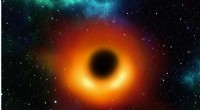
* Supernova or Black Hole: A massive enough sun could eventually collapse under its own gravity and explode as a supernova, potentially leaving behind a black hole.
Consequences for Earth:
* Increased Radiation: Earth would receive more intense solar radiation, making life as we know it impossible.
* Surface Temperature Rise: The increased solar output would lead to a massive increase in Earth's surface temperature, making the planet uninhabitable.
* Ocean Evaporation: Water on Earth would evaporate rapidly, creating a steamy, dry atmosphere.
* Potential for Life: The increased energy could make the outer reaches of our solar system habitable, but it would require very different lifeforms than those that exist on Earth.
Other Effects:
* Solar Wind: The sun's solar wind would be stronger, potentially impacting other planets and their atmospheres.
* Gravitational Influence: The increased mass would increase the sun's gravitational pull, potentially affecting the orbits of planets in our solar system.
The Bottom Line:
A more massive sun would create a drastically different solar system, making life as we know it on Earth impossible. The increased energy output, shortened lifespan, and potential for a supernova would create a far more chaotic and less hospitable environment.