* The Degree: The most common doctorate in Astronomy is a Doctor of Philosophy (Ph.D.)
* Focus Areas: Within Astronomy, you can specialize in various areas, including:
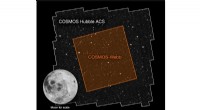
* Cosmology: Studying the origin and evolution of the universe
* Astrophysics: Examining the physics of celestial objects (stars, galaxies, etc.)
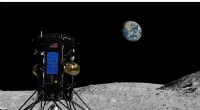
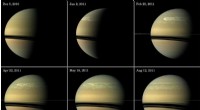
* Planetary Science: Investigating planets, moons, and other bodies in our solar system and beyond
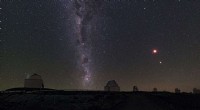
* Observational Astronomy: Using telescopes and other instruments to gather data
* Theoretical Astronomy: Developing models and theories to explain astronomical phenomena
* Program Requirements: A Ph.D. program typically involves:
* Coursework: In-depth study of astronomy and related fields (physics, mathematics)
* Research: Conducting original research under the guidance of a faculty advisor
* Dissertation: A significant piece of original research culminating in a written thesis and defense
* Career Paths: A Ph.D. in Astronomy opens doors to:
* Research Scientist: Working at universities, government agencies (NASA, ESA), or research institutions
* Professor: Teaching and conducting research at colleges and universities
* Data Analyst: Working in fields like space exploration or related industries that require analysis of large datasets
If you're passionate about astronomy and have the dedication to pursue a Ph.D., it's certainly a rewarding path!