Here's a breakdown of the planets in our solar system and their habitability:
Definitely NOT Habitable:
* Mercury: Extremely hot, with no atmosphere to speak of.
* Venus: A runaway greenhouse effect makes it incredibly hot and has a toxic atmosphere.
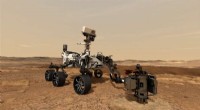
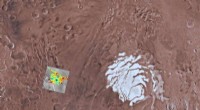
* Mars: While there's potential, Mars is currently very cold, has a thin atmosphere, and lacks a global magnetic field to protect from solar radiation.
* Jupiter, Saturn, Uranus, Neptune: Gas giants with no solid surface and extreme temperatures.
Potentially Habitable with Major Modifications:
* Mars: Some scientists believe terraforming Mars (making it more Earth-like) could be possible, though it's a monumental challenge.
* Europa (moon of Jupiter): There's evidence for a subsurface ocean, but it's likely frozen and under immense pressure.
* Enceladus (moon of Saturn): Similar to Europa, this moon has a subsurface ocean and possibly hydrothermal vents, potentially creating conditions for life.
Important Note: Our understanding of habitability is constantly evolving. As we learn more about the universe, we may discover new possibilities and redefine what makes a planet habitable.