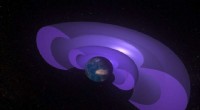
1. The Earth's Rotation: The Earth rotates on its axis, completing one full rotation approximately every 24 hours. This rotation causes the apparent movement of the Moon across the sky.
2. The Moon's Orbit: The Moon orbits the Earth in an elliptical path, meaning it's not always the same distance from us. This means the Moon's position relative to the Earth changes slightly each night.
3. The Earth's Tilt: The Earth is tilted on its axis at approximately 23.5 degrees. This tilt causes the angle at which the sun's rays hit the Earth to change throughout the year, resulting in the seasons. This tilt also affects the Moon's apparent path across the sky, leading to variations in its rising point.
4. The Moon's Phases: The Moon's phases are caused by the changing angle at which we see the sunlit portion of the Moon. As the Moon orbits the Earth, the illuminated portion we see changes, and this affects the time and location of moonrise.
In summary:
- The Earth's rotation causes the Moon to appear to move across the sky, making it seem like it rises at a different spot each night.
- The Moon's orbit around the Earth further contributes to this apparent shift in position.
- The Earth's tilt also influences the Moon's path, leading to different rising points.
- The Moon's phases, driven by the changing angle of sunlight on the Moon, also influence the timing and location of moonrise.
These factors all combine to create the seemingly random pattern of moonrise locations across the night sky.