Key Features:
* Ozone Layer: This is the most important feature of the stratosphere. The ozone layer is a region with a high concentration of ozone gas (O3). It absorbs most of the Sun's harmful ultraviolet (UV) radiation, protecting life on Earth from its damaging effects.
* Temperature Inversion: Unlike the troposphere where temperature decreases with altitude, the stratosphere experiences a temperature inversion. This means temperature increases with altitude due to the absorption of UV radiation by ozone.
* Stable Air: The stratosphere is generally a very stable layer with little vertical mixing. This is because the temperature inversion prevents air from rising and cooling.
* Low Water Vapor Content: The stratosphere contains very little water vapor compared to the troposphere.
Other Components:
* Stratospheric Clouds: These clouds are rare and form at very high altitudes in the stratosphere. They are made up of ice crystals and can be seen as iridescent clouds.
* Meteors: Some meteors burn up in the stratosphere, creating visible streaks of light in the night sky.
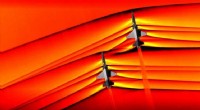
* Aircraft: High-altitude aircraft, like commercial jets, typically fly in the lower stratosphere.
* Satellites: Some satellites orbit Earth within the stratosphere, taking advantage of its stable conditions.
Important Note: While the stratosphere plays a vital role in protecting life on Earth, it is also vulnerable to human activities that can damage the ozone layer, such as the release of chlorofluorocarbons (CFCs).