* Shine: Stars produce light and heat through nuclear fusion in their cores. This process converts hydrogen into helium, releasing immense amounts of energy.
* Provide Light and Heat: The light and heat from stars are essential for life on Earth.
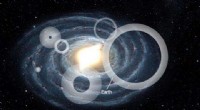
* Form Galaxies: Stars are the building blocks of galaxies. They cluster together in vast collections, like our Milky Way.
* Influence Each Other: Stars interact with each other gravitationally, affecting their movement and evolution.
* Die and Leave Remnants: When stars run out of fuel, they die. Depending on their mass, they can become white dwarfs, neutron stars, or black holes, leaving behind remnants that influence their surroundings.
* Produce Elements: Stars are responsible for creating heavier elements through nuclear fusion, which are then dispersed into space, contributing to the formation of new stars and planets.
* Affect the Formation of Planets: The gravitational pull of stars influences the formation of planets around them.
* Guide Navigation: For centuries, stars have been used for navigation, providing a reference for direction and location.
In short, stars are incredibly dynamic objects that play a vital role in the universe, shaping its structure, composition, and even the existence of life.