* The Universe is Vast: The universe is incredibly vast and contains billions of galaxies, each with billions of stars. While our Sun is essential to life on Earth, it's just one star among many.
* Importance is Relative: What constitutes "importance" depends on your perspective. For us on Earth, the Sun is absolutely vital for life, but in the grand scheme of the universe, it's just one component.
* Other Important Objects: There are many other incredibly important objects in the universe, such as:
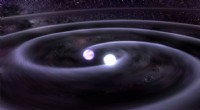
* Black holes: These massive objects play a crucial role in galaxy evolution.
* Nebulae: These are the birthplaces of stars.
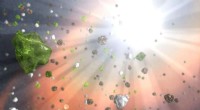
* Supernovae: These explosions create heavy elements essential for life and are a major force in shaping galaxies.
The Sun's Importance to Earth:
* Energy Source: The Sun provides the light and heat necessary for life on Earth.
* Photosynthesis: The Sun's energy drives photosynthesis, which is the process by which plants convert light energy into chemical energy.
* Climate and Weather: The Sun's energy drives Earth's weather systems and climate.
In Summary:
The Sun is incredibly important to us on Earth, but it's not the most important object in the universe. The universe is vast and complex, with many other objects playing crucial roles in its evolution and the existence of life.