Natural Phenomena:
* Mars: Mars can appear reddish-orange in the night sky, especially when it's close to Earth. Its color can vary depending on its position in the sky and atmospheric conditions.
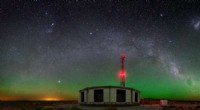
* Auroras: Auroras, also known as the Northern or Southern Lights, can appear in various colors including orange, depending on the gases they interact with.
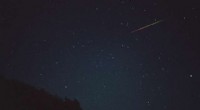
* Fireballs: Bright meteors (shooting stars) can be very luminous and appear in different colors, including orange.
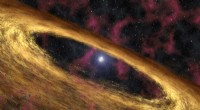
* Stars: Certain stars, especially red giants, can emit a reddish-orange light.
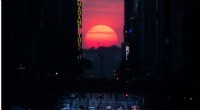
* Atmospheric Conditions: Unusual atmospheric conditions, like dust or haze, can sometimes cause a reddish or orange hue to be cast upon the sky.
Man-Made Phenomena:
* Aircraft lights: The navigation lights of airplanes can sometimes be mistaken for a mysterious object in the sky.
* Satellites: Bright satellites like the International Space Station can reflect sunlight and appear as moving lights.
* Ground-based lights: Powerful spotlights or other ground-based lights can be reflected off clouds and create an unusual light in the sky.
To narrow down the possibilities, you can consider:
* Location: Where in the sky did you see the light? Was it near the horizon or high up?
* Movement: Did the light move? If so, was it fast or slow? In what direction did it move?
* Duration: How long did the light last? Was it constant or flickering?
* Color: What was the exact color of the light? Was it a pure orange or did it have other hues mixed in?
If you're truly baffled by a mysterious orange light, you can try to:
* Consult a local astronomy club: They may be able to offer insights or even organize a viewing session.
* Check online resources: Many astronomy websites and forums discuss unusual celestial events.
* Report the sighting: You can report the sighting to a scientific organization like the American Meteor Society.
By gathering more information, you might be able to identify the source of the mysterious orange light and learn more about the wonders of the night sky.