For the Northern Hemisphere:
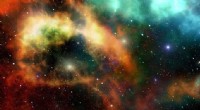
* Orion Nebula (M42): This is one of the brightest and most iconic nebulae, visible in the constellation Orion. It's easily recognizable as a fuzzy patch in the middle of Orion's sword.
* Trifid Nebula (M20): This colorful nebula in Sagittarius is a popular target for astrophotographers. It's named for its three lobes of gas and dust.
* Lagoon Nebula (M8): Also in Sagittarius, this bright nebula is a favorite for stargazing. Its large size and proximity to the Milky Way's center make it a prominent feature in the summer sky.
* Dumbbell Nebula (M27): This planetary nebula in the constellation Vulpecula resembles a dumbbell shape. It's a bit fainter than the others mentioned but can be observed with binoculars or a small telescope.
* Pleiades (M45): While technically not a nebula, this open star cluster in Taurus is often referred to as "The Little Dipper" due to its star pattern. It's visible with the naked eye and surrounded by a faint blue reflection nebula.
* California Nebula (NGC 1499): A large and faint emission nebula in Perseus, best viewed with binoculars or a telescope.
For the Southern Hemisphere:
* Eta Carinae Nebula: A massive and complex nebula in the constellation Carina, known for its spectacular displays of gas and dust.
* Taran Nebula (NGC 2080): This bright nebula in Dorado is part of the Large Magellanic Cloud. It's notable for its reddish glow and intricate structures.
* Carina Nebula (NGC 3372): Another large and complex nebula in Carina, it's a stellar nursery and home to many bright stars.
* Running Chicken Nebula (IC 2944): A faint nebula in Centaurus, it appears elongated like a running chicken in the sky.
Note:
* Observing these nebulae requires dark skies and a clear view of the horizon.
* Binoculars or a telescope will enhance your view and reveal more details.
* Some nebulae are better seen in certain seasons due to their position in the sky.
For more information on specific nebulae, their location, and how to observe them, you can refer to star charts, online resources like Stellarium, or astronomy books.