1. Time:
* Sunset time: This is the most common way to describe sunset. It's the exact moment when the upper limb of the sun disappears below the horizon. You can find sunset times for specific locations on weather websites or apps.
* Duration: You can also measure the duration of sunset, which is the time between the moment the sun starts to touch the horizon and the moment it completely disappears. This duration varies depending on the location and time of year.
2. Visual Characteristics:
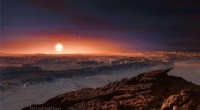
* Color: Sunsets are often described by their colors, which can range from fiery oranges and reds to soft pinks and purples. These colors are influenced by factors like atmospheric conditions, altitude, and the angle of the sun.
* Clouds: The presence and type of clouds can significantly impact the beauty and intensity of a sunset.
* Skyglow: The overall brightness and color of the sky during sunset can be used to describe its intensity and mood.
3. Astronomical Observations:
* Angle of the sun: Astronomers might measure the angle of the sun relative to the horizon during sunset to study its position and movement.
* Solar altitude: This refers to the angular height of the sun above the horizon. Sunset occurs when the solar altitude reaches 0°.
So, how do you "measure" a sunset?
Ultimately, you can measure a sunset through various means depending on your purpose. You can simply note the time it occurs, describe its colors and features, or make detailed astronomical observations. The most important thing is to appreciate the beauty and wonder of this natural phenomenon.