1. Find a Dark Location:
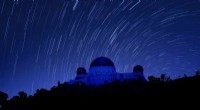
* Light pollution is your enemy! The more light from cities and streetlamps, the fewer stars you'll see. Head to a park, a rural area, or even your backyard on a moonless night for the best view.
2. Learn Your Constellations:
* Start with the basics: Familiarize yourself with some of the most recognizable constellations like Ursa Major (the Big Dipper), Orion, Cassiopeia (the "W" shape), and Taurus (the bull).
* Use star charts or apps: There are tons of resources available. Star chart apps like Stellarium, SkySafari, or Google Sky Map are fantastic for identifying stars and constellations, even if you don't know where to begin.
3. Understand Star Patterns:
* Stars in a constellation aren't always close together in space. They just appear close together from Earth's perspective.
* Think of constellations as shapes: Orion's belt, Cassiopeia's "W", or the Big Dipper's dipper shape are the easiest to spot and use as starting points.
4. Use the North Star (Polaris):
* The North Star is always in the north. To find it, locate the Big Dipper. Draw a line through the two stars at the end of the dipper's bowl (the "pointers") and extend it about five times the distance between those stars. You'll find Polaris near the end of this line.
* Polaris is the brightest star in Ursa Minor (the Little Dipper).
5. Look for Bright Stars:
* Some stars are naturally brighter than others. Sirius (the brightest star in the night sky), Arcturus, and Vega are good examples.
* Use apps or websites to identify these stars.
6. Consider Time of Year and Location:
* The stars you see vary depending on the time of year and your location on Earth. Star charts and apps can help you determine what stars are visible at your latitude and time of year.
7. Explore with Patience and Interest:
* Learning the night sky takes time. Don't get discouraged if it seems overwhelming at first. The more you observe, the easier it will become to identify stars and constellations.
Tips:
* Bring a red-light flashlight: Red light preserves your night vision.
* Let your eyes adjust: It takes about 30 minutes for your eyes to adapt to the darkness.
* Use binoculars or a telescope: These tools will reveal more detail and help you see fainter stars.
Remember:
* Have fun! Exploring the night sky is a rewarding hobby.
* Keep learning! There's always something new to discover.