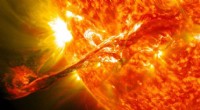
* Luminous objects are those that produce their own light. Think of the sun, a light bulb, or a firefly. They generate light energy.
* Non-luminous objects are those that don't produce their own light. They only become visible because they reflect light from a luminous source. For example, a table, a book, or a person.
So, what happens when we talk about "non-luminous sources of light"?
It's likely you're thinking about objects that *emit light* but are not considered "luminous" in the traditional sense. These objects could be:
* Phosphorescent materials: These store energy from light and release it slowly, making them appear to glow in the dark (think glow-in-the-dark stickers).
* Fluorescent materials: These absorb ultraviolet light and re-emit it as visible light (think fluorescent lights or clothes that "glow" under blacklights).
While these objects do emit light, they are technically non-luminous because they don't generate the light themselves. They simply absorb and re-emit light from a different source.
Let me know if you'd like to know more about the different ways objects emit light!