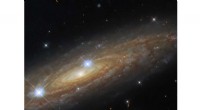
* Scientific understanding: We understand these celestial objects through physics and astronomy. Comets are icy bodies that release gas and dust when they approach the sun. Asteroids are rocky remnants from the early solar system. Meteors are small particles that burn up in the atmosphere.
* No proven link: There's no evidence to suggest these objects have any supernatural or mystical powers. They are natural phenomena that follow predictable laws of physics.
* Cultural interpretations: Superstitions often arise from cultural beliefs and interpretations. For example, in some cultures, comets might be seen as harbingers of bad luck, but this is based on fear of the unknown, not scientific fact.
However, it's important to note:
* Impact concerns: While most meteors burn up in the atmosphere, large asteroids can pose a threat to Earth. Scientists actively track potentially hazardous asteroids, but this is based on scientific observation, not superstition.
* Respect for diverse beliefs: While we can encourage understanding of science, it's crucial to respect diverse cultural beliefs and traditions, even if they don't have a scientific basis.
Ultimately, it's important to separate scientific understanding from cultural beliefs when it comes to celestial objects. While superstitions may persist, the scientific explanations provide a more grounded perspective.